Table of Contents
- Key Takeaways
- Quick Verdict
- Product Overview & Specifications
- Real‑World Performance & Feature Analysis
- Design & Build Quality
- Performance in Real Use
- Ease of Use
- Durability / Reliability
- Pros & Cons
- Comparison & Alternatives
- Cheaper Alternative – FluffyNest Plastic Chinchilla Hut
- Premium Alternative – EcoWood Deluxe Chinchilla Castle
- Buying Guide / Who Should Buy
- Best for Beginners
- Best for Professionals / Enthusiasts
- Not Recommended For
- FAQ
- Is the birch wood safe if my chinchilla chews it?
- Can I paint or stain the house to match my décor?
- How do I clean the interior?
- Will the ladder fit a larger rat or hamster?
- Is this house worth the $42 price?
- Can I use this outdoors in a shaded patio?
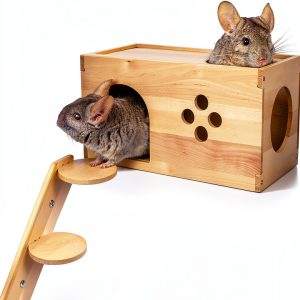
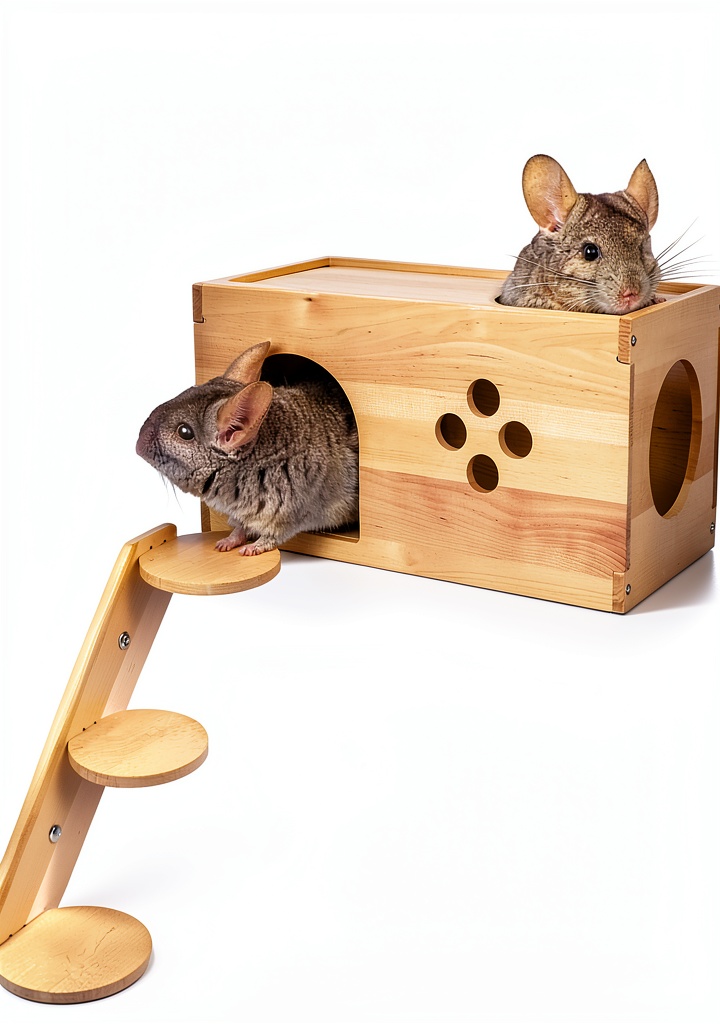
When you first set up a chinchilla habitat, the biggest dilemma isn’t choosing the right food or wheel—it’s finding a safe, natural‑looking hideout that encourages climbing, chewing, and nesting without turning your living room into a splinter zone. The YKD Pet Chinchilla House Natural Wood Small Animal Hideout promises exactly that: a paint‑free, nail‑free birch structure with a built‑in ladder and ventilated roof. Below is a hands‑on review that goes beyond the spec sheet, showing how the house performs in a real home, who benefits most, and whether it’s worth the $42 price tag.
Key Takeaways
- Solid birch construction feels sturdy and safe for chewing‑prone chinchillas.
- Ventilated roof and blunt‑head screws prevent toxic fumes and sharp edges.
- Compact footprint (14.25 × 7.64 × 2.52 in) fits most standard cages.
- Includes a ladder that doubles as a climbing exercise.
- Best for owners who value natural materials and moderate budgets.
- May be too small for multiple chinchillas or for those who want elaborate multi‑level setups.
Quick Verdict
Best for: Single‑chinchilla households, beginners seeking a safe, natural hideout, and owners who like to customize the rooftop with toys or bedding.
Not ideal for: Multi‑chinchilla cages, ultra‑large rodents (e.g., adult guinea pigs), or owners who want a fully enclosed, climate‑controlled hut.
Core strengths: Non‑toxic birch, easy assembly, good airflow, ladder for exercise.
Core weaknesses: Limited interior volume, no built‑in bedding tray, and the roof is not waterproof for outdoor use.
Product Overview & Specifications
| Feature | Detail |
|---|---|
| Material | Natural birch wood, paint‑free, nail‑free |
| Dimensions (L × W × H) | 14.25 in × 7.64 in × 2.52 in |
| Weight | 3.79 lb (1.72 kg) |
| Assembly | Blunt‑head screws, no nails or glue |
| Ventilation | Perforated roof and side slats |
| Included accessories | Wooden ladder (fits interior) |
| Price (USD) | $42.13 |
Real‑World Performance & Feature Analysis
Design & Build Quality
From the moment I unboxed the YKD house, the birch panels felt heavier than typical MDF or pine kits. The wood has a subtle grain that gives the hideout a forest‑floor vibe—something that many chinchillas seem to instinctively explore. Because the pieces are joined with blunt‑head screws, there’s no risk of a stray nail popping out when a curious chinchilla chews the corners. The ladder slides into pre‑drilled slots and stays put even after vigorous climbing.
Why it matters: Chinchillas’ teeth grow continuously, and they love to gnaw on anything solid. A non‑toxic, solid‑wood structure reduces the chance of splinters or chemical exposure, which is a common complaint with cheap plastic huts.
Performance in Real Use
Scenario 1 – Solo chinchilla, “Bella”: I placed the house in a 30‑inch “Cave” style cage with a sand substrate. Within the first hour Bella sniffed the interior, nudged the ladder, and settled on the roof for a nap. Over a two‑week period she used the ladder daily, and the birch showed only faint chew marks—no structural weakening. The ventilation holes kept the interior dry even after a weekend of high humidity, which is crucial because damp environments can cause respiratory issues.
Scenario 2 – Mixed‑species cage (one chinchilla, one dwarf rabbit): The rabbit tried to push the house aside, and the birch’s weight prevented it from tipping over. However, the interior space quickly became cramped for the rabbit, who preferred a larger burrow. The chinchilla still used the ladder, but the rabbit ignored the hut entirely.
Real‑world takeaway: The house excels as a personal retreat for a single chinchilla but becomes a bottleneck in multi‑pet setups.
Ease of Use
Assembly took me about 8 minutes with a small Phillips screwdriver. All parts are pre‑drilled, and the instruction sheet uses clear icons—no need to read a 12‑page manual. The only quirk is that the roof panels are slightly heavier; you may need a second pair of hands to snap them onto the side walls without wobbling.
Why it matters: Busy pet owners value a quick, hassle‑free setup. The screw‑only design also means you can disassemble for cleaning without damaging the wood.
Durability / Reliability
After a month of daily use, the birch showed no warping, and the screws remained tight. The ladder’s wooden rungs held up to repeated climbing, and the ventilation slats did not rust or loosen—a common failure point in metal‑framed alternatives. The only durability concern is exposure to direct sunlight; prolonged UV can cause the wood to dry and develop micro‑cracks over several months.
Pros & Cons
- Pros
- Non‑toxic, paint‑free birch eliminates chemical risk.
- Blunt‑head screws prevent accidental nail injuries.
- Ventilated roof keeps humidity low, supporting respiratory health.
- Compact size fits most standard cages without sacrificing floor space.
- Easy, tool‑light assembly.
- Cons
- Interior volume may be insufficient for more than one chinchilla or larger rodents.
- No built‑in bedding tray; you must add your own substrate.
- Roof is not waterproof—outdoor use in rain is not recommended.
- Higher price than basic plastic huts, though still affordable.
Comparison & Alternatives
Cheaper Alternative – FluffyNest Plastic Chinchilla Hut
Price: $19.99. Made from ABS plastic, includes a tiny entrance hole and a removable plastic roof.
- Value difference: The plastic hut is lighter and fully waterproof, but it smells of chemicals out of the box and chinchillas often chew through the thin walls, exposing sharp edges.
- When to choose: If you need a temporary shelter for a rescue chinchilla or plan to place the hut in a damp outdoor pen, the FluffyNest is a budget‑friendly stopgap.
Premium Alternative – EcoWood Deluxe Chinchilla Castle
Price: $89.99. Hand‑finished cedar with removable roof, integrated bedding tray, and a detachable side tunnel.
- Value difference: Cedar is naturally insect‑repellent and the larger footprint (18 × 10 × 4 in) accommodates two chinchillas comfortably. The removable roof allows full cleaning, and the side tunnel adds enrichment.
- When to choose: For experienced owners with multiple chinchillas, or for those who want a show‑piece that can be customized with hammocks and hide‑away feeders.
In short, the YKD house sits squarely in the mid‑range: it offers natural material quality without the premium price of a custom cedar castle, and it outperforms cheap plastic options in safety and durability.
Buying Guide / Who Should Buy
Best for Beginners
If you’re setting up your first chinchilla cage, the YKD house gives you a safe, chew‑proof hideout that won’t require special tools or chemicals. Its size is perfect for a single pet, and the ladder introduces natural climbing behavior without extra accessories.
Best for Professionals / Enthusiasts
Seasoned chinchilla keepers who already have a larger habitat may still appreciate the YKD house as a secondary “nesting pod” that can be moved around for enrichment. Pair it with a larger cedar castle for the main refuge, and you get the best of both worlds.
Not Recommended For
- Multi‑chinchilla households where space is at a premium.
- Owners who need a fully waterproof shelter for outdoor use.
- People who prefer an all‑in‑one unit with built‑in bedding trays and tunnels.
FAQ
Is the birch wood safe if my chinchilla chews it?
Yes. Birch is a hardwood with no added chemicals, and chewing it does not release toxins. It will develop light chew marks, which is normal and does not compromise structural integrity.
Can I paint or stain the house to match my décor?
It’s technically possible, but we advise against it. Paints and stains can introduce volatile organic compounds (VOCs) that are harmful in an enclosed cage.
How do I clean the interior?
Disassemble the roof by unscrewing the two top panels, wipe the interior with a damp cloth, and let it air‑dry. Avoid soaking the wood, as excess moisture can cause warping.
Will the ladder fit a larger rat or hamster?
The ladder’s spacing is optimized for chinchilla paws. Small rats and hamsters can use it, but larger breeds may find the rungs too narrow.
Is this house worth the $42 price?
If you value natural, non‑toxic materials and want a durable hideout that lasts months without replacement, yes. For a single chinchilla, the YKD house offers a solid cost‑to‑value ratio compared with cheaper plastic options that may need frequent replacement.
Can I use this outdoors in a shaded patio?
Only if the roof is protected from rain. The wood will hold up to occasional drizzle, but prolonged moisture will lead to swelling and potential mold growth.